How to Organize Sentimental Items Without Losing Memories
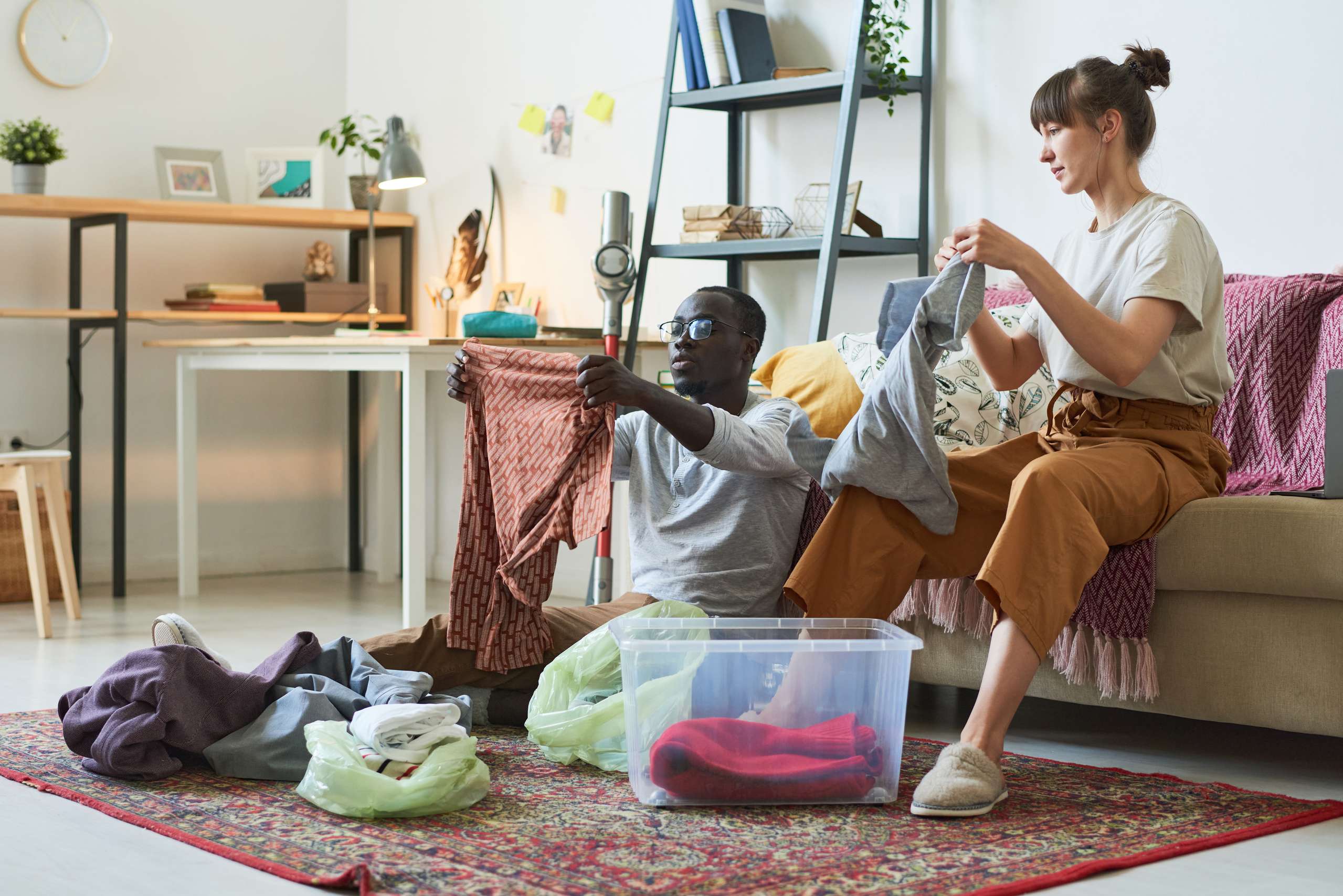
Organizing sentimental items may seem like an overwhelming task, but there are steps you can take to tackle it while still keeping the memories alive. First, gather everything together in one place, then sort items into categories and decide which ones to keep, throw away, or donate. Consider keeping a few select items and letting go of the rest, or storing items in labeled boxes or bins. You can also take photos of items before getting rid of them, create a memory box or scrapbook, or ask a family member or friend to take some items.
The toughest step in any home decluttering process is, however, to tackle the sentimental mess you find hard to declutter. You’ve got a stack of letters that you treasure, a teddy bear that was your best friend when you were a toddler, a brooch that your grandmother has gifted to you or a series of souvenirs that you collected on a trip to Japan. It is difficult to part with these things because they hold memories and parts of your own history. However, it is equally cluttering to keep everything because at the end of the day, these things will be stashed in some corner of your house, and that too, without you having a clue as to where they are. So, it’s better to separate the good from the bad, or the worthies from the worthless. So, preserve the memories if you may, but do it in an organized fashion.
So, take all your sentimental items and put them in one box. Give yourself the freedom of opening this box and to just “walk through your memories” without needing to make any decisions yet. Take out all the items and handle them, one by one. Take time to remember the memory or memories they carry. Some of them will carry a “Joy” with them, some of them will carry “Love” or “A Very Nice Memory”. Some of them will be just neutral. And some of them will be just “A Downer”. Try not to force this. Do this exercise multiple times, if needed, and only then, if at all, sort them. It is very important to understand, that we are not trying to discard “Sentimental Value”. We are trying to understand which items are carrying “Good” and which are carrying “Bad”. This makes a huge difference, it turns the process from “Heart Breaking” to almost “Sacred”.
Now, knowing how you feel about these things, find a way to hold onto them that isn’t overwhelming to your everyday life. If it’s photos and letters, maybe you digitize the ones that are most important to you and keep the originals in a nice storage box, or maybe just in storage boxes, if that feels too overwhelming. If it’s little trinkets and tokens, maybe you keep one pretty little box of special things, rather than stuffing your drawers full of stuff you feel obligated to keep. If it’s jewelry or clothes, maybe you actually wear them sometimes, or maybe you use them to make something new for yourself or for someone else in your family who will appreciate the memory. Find one place to keep it, something that is small and special and that you feel is worth the space it takes up, to store your memories, and to let the rest go.
If it doesn’t fit you anymore but it’s still an important memory, you can still honor it. Jot down the memory you associated with the item and then discard the item. Take a picture of the item and make a digital photo album of memories you want to keep. Give it to someone who will really appreciate the item. All of these options mean you’re not losing the memory, you’re just passing it on. As you continue to declutter it will be easier as you learn to let go and trust that your memories are stored within you, not in an item.
As you treat your sentimental belongings in this manner, your home slowly starts to become more about your current self and just acknowledging the past. Your surfaces will be clear, your drawers will be easy to open, and your home will feel lighter as everything is not vying for your attention. Instead of your clutter weighing you down, it’s simply the recognition of being thankful for your curated items that accurately tell your story today. This is not about forgetting, it’s about opening the space for the future ahead.